Blog
Fourth Federal Congress of Pakistan Kissan Rabita Committee
Fourth Federal Congress of Pakistan Kissan Rabita Committee
Published by Admin on Jan 5, 2026Building a United and Democratic Peasant Movement in Pakistan
The Fourth Federal Congress of the Pakistan Kissan Rabita Committee (PKRC) was successfully held on 3–4 January 2026 at Caritas Hall, Lahore, bringing together approximately 170 delegates and observers representing 36 farmers’ and peasants’ organizations from all provinces of Pakistan. The Congress marked a decisive moment in strengthening national unity among peasants, small farmers, tenants, and rural working people amid Pakistan’s deepening political, economic, agrarian, and climate crises.
Political Context and Analysis
The Congress was convened against the backdrop of intensifying neoliberal restructuring, a debt-driven economy, and IMF-imposed policies that have systematically undermined agriculture and rural livelihoods. Delegates critically examined Pakistan’s political economy within a global context, highlighting the role of global capitalism, imperialist interventions, free-trade regimes, and corporate-led development models in accelerating agrarian distress.
Participants unanimously condemned policies that have:
● Increased the cost of agricultural inputs
● Depressed farm-gate prices
● Eliminated effective state support mechanisms
● Promoted market privatization and deregulation
● Facilitated corporate control over land, water, and food systems
It was emphasized that these policies disproportionately harm peasants, small farmers, tenants, women farmers, pastoralists, and agricultural workers, pushing rural communities further into poverty, debt, and dispossession.
Corporate Farming, Land Grabbing, and the Green Pakistan Initiative
A major focus of the Congress was the rapid expansion of corporate farming and land grabbing, particularly under state-backed initiatives such as the Green Pakistan Initiative (GPI). Delegates exposed how such projects—marketed as solutions for food security and climate adaptation—are in fact enabling:
● Mass dispossession of peasants and tenants in Punjab and Sindh
● Privatization of land and water resources
● Militarization and corporatization of agriculture
● Consolidation of agrarian control in the hands of local and transnational capital
The Congress reaffirmed that food security cannot be achieved through dispossession, and that genuine solutions must be rooted in food sovereignty, land justice, and peasant-led agroecological systems.
Climate Crisis and Rural Injustice
The Congress devoted special attention to Pakistan’s escalating climate crisis, marked by catastrophic floods, prolonged droughts, water scarcity, declining soil fertility, and fossil-fuel-based development. Delegates stressed that rural communities—who have contributed least to climate change—are paying its highest price, while climate finance and policy frameworks continue to exclude peasants and small producers.
Peasant Agroecology, Food Sovereignty, and a Just Transition
The Congress emphasized that the climate crisis facing Pakistan cannot be addressed through corporate-controlled, fossil-fuel-dependent, and militarized agricultural models. Delegates categorically rejected so-called “climate-smart” and “green” solutions promoted by agribusiness corporations, international financial institutions, and the state, which deepen ecological destruction, increase farmers’ dependence on external inputs, and accelerate dispossession in the name of adaptation and efficiency.
As an alternative, the Congress reaffirmed peasant agroecology as a central political & ecologicall solution to the climate crisis. Peasant agroecology strengthens local food systems, reduces dependency on fossil fuels and imported inputs, and enhances communities’ capacity to adapt to floods, droughts, and extreme weather events.
The Congress further articulated the need for a just transition away from corporate-dominated food systems toward farmer-led, territorially rooted, and ecologically sustainable systems. Such a transition must ensure that peasants, small farmers, tenants, women, pastoralists, and agricultural workers are not displaced or burdened, but instead are placed at the center of decision-making, resource control, and climate policy. Delegates emphasized that a just transition must include land redistribution, protection of commons, public investment in agroecology, fair prices, and secure livelihoods for rural working people.
At the heart of PKRC’s vision is food sovereignty—the right of peoples to define their own food and agricultural systems. The Congress reaffirmed that control over land, seeds, water, and production must remain in the hands of small farmers and peasants, not corporations, the military, or financial actors. Food sovereignty was affirmed as a political framework for resisting dispossession, defending peasant rights, and building democratic and resilient food systems in Pakistan.
Organizational Review and Democratic Elections
At the organizational level, the Congress conducted a comprehensive review of PKRC’s work, campaigns, and struggles since the last Congress. Delegates approved the updated organization’s manifesto, constitution, and organizational structure, reaffirming PKRC’s commitment to democratic functioning, gender & youth inclusion, and grassroots leadership.
Through a democratic and unanimous process, the Congress elected the following Federal Leadership:
● Central President: Tariq Mahmood
● Central General Secretary: Riffat Maqsood
Other elected office-bearers:
● Abdul Karim Mengal – Vice President (Balochistan)
● Razia Malik – Vice President (Punjab)
● Faiz Kario – Vice President (Sindh)
● Gulzar Khan – Vice President (Khyber Pakhtunkhwa)
● Qammar Abbas – Joint Secretary
● Hasnain Jameel Fareedi – Information Secretary
Six Federal Councillors were also elected: Mehr Ghulam Abbas, Malik Zulfiqar Awan, Farooq Tariq, Ismail Khaskheli, Ashiq Domki, and Zaib-un-Nisa.
Nationwide Mobilizations
The Congress adopted clear and militant resolutions to intensify mass struggle across Pakistan. All participating organizations unanimously resolved to:
● Organize nationwide peasant protest demonstrations in more than 100 cities on 28 March 2026
● Mobilize against corporate farming, land grabbing, unjust crop prices, the absence of guaranteed minimum support prices, free-trade policies, and the privatization of agricultural markets
● Hold press conferences one week prior to the protests in all major cities and district headquarters
It was also announced that the Punjab Provincial Congress will be held on 17 April 2026, coinciding with the International Day of Peasant Struggles.
The Fourth Federal Congress concluded with a renewed collective commitment to building a democratic, militant, inclusive, and nationwide peasant movement. The Pakistan Kissan Rabita Committee reaffirmed its resolve to construct a farmer-led alternative grounded in food sovereignty, agroecology, equitable land distribution, climate justice, and the rights of peasants and rural working people.
The Congress sent a clear message: Pakistan’s agrarian crisis will not be resolved by corporate control and neoliberal reforms, but through organized peasant resistance and systemic transformation led by those who feed the country.
Other Posts
 Published on Apr 28, 2024
climate change disasters
Climate change significantly impacts food security through a variety of direct and indirect pathways. Extreme weather ev...
 Published on Apr 28, 2024
Land reforms disaster
Land reforms are critical in addressing historical injustices, promoting equitable access to land, and fostering agricul...
 Published on Jun 15, 2024
Fossil Fuels impact on planet
Burning fossil fuels releases large amounts of carbon dioxide (CO2) and other greenhouse gases, contributing to global w...
 Published on Jun 20, 2024
Policy making for farmers
Policy-making for farmers is a critical aspect of ensuring sustainable agriculture, improving livelihoods, and fostering...
 Published on Apr 28, 2025
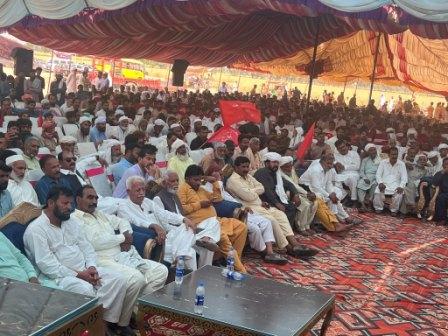
Nationwide Protests Erupt Against Corporate Farming, Water Grabbing, Wheat Pricing & PASSCO Privatization
In a historic show of resistance, the Pakistan Kissan Rabita Committee (PKRC), organized nationwide protests in over 30...
 Published on Jan 21, 2026
Basti Sheikhhan, Taunsa Barrage: PKRC Condemns State Terror and Aggression Against Indigenous Fishing Communities
<br> Lahore: Pakistan Kissan Rabita Committee (PKRC) strongly and unequivocally condemns the ongoing illegal, coercive,...
 Published on Mar 9, 2026
PKRC Condemns Massive Fuel Price Hike, Demands Immediate Reversal
The Pakistan Kissan Rabita Committee (PKRC) strongly condemns the government’s decision to increase petroleum prices by...
 Published on Mar 26, 2026
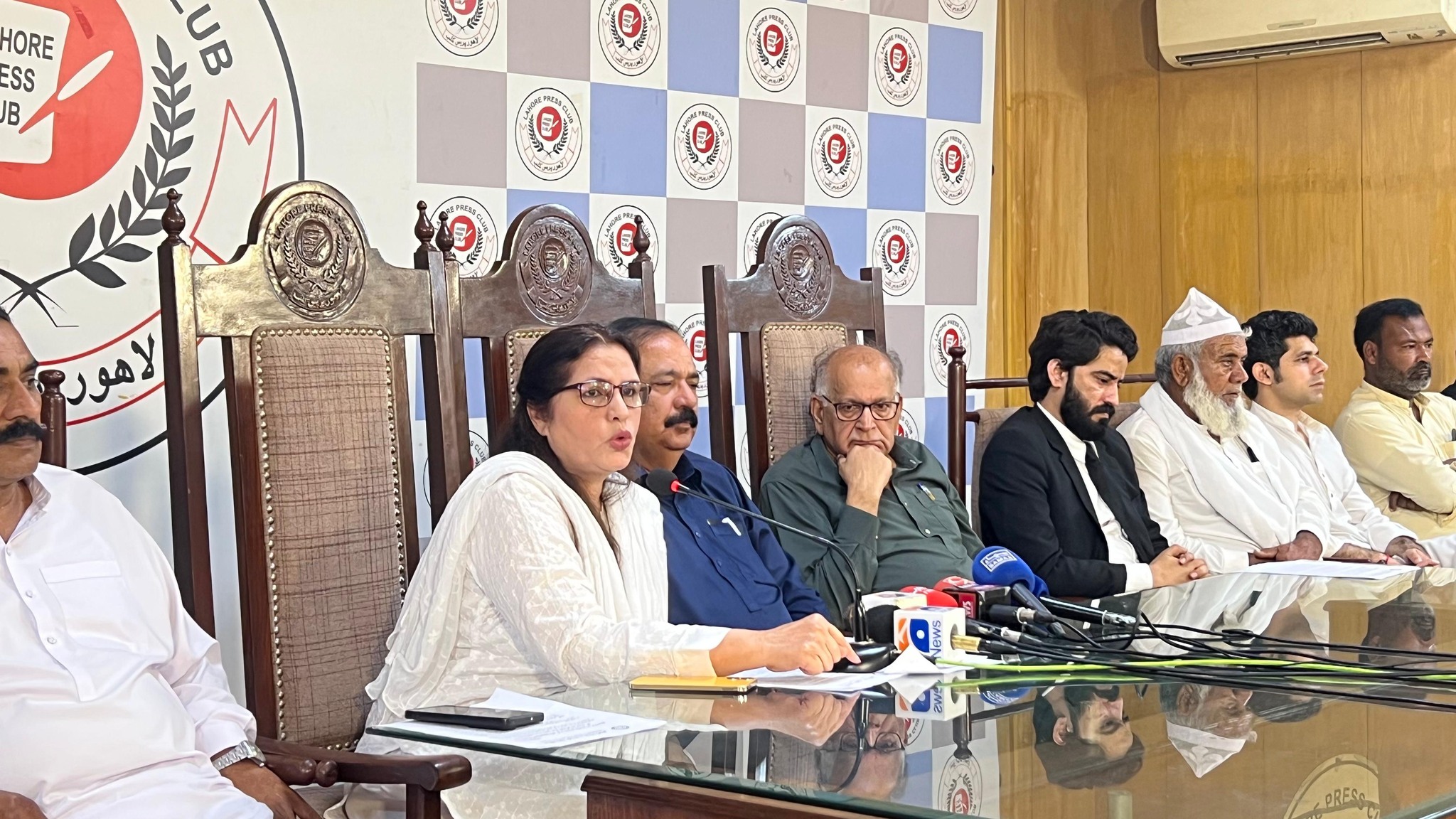
“We will lay down our lives, but will not give up even an inch of our land”
Nationwide protests to be held at over 100 locations on April 17 against corporate farming: PKRC <br> Leaders of the P...
 Published on Jul 1, 2026
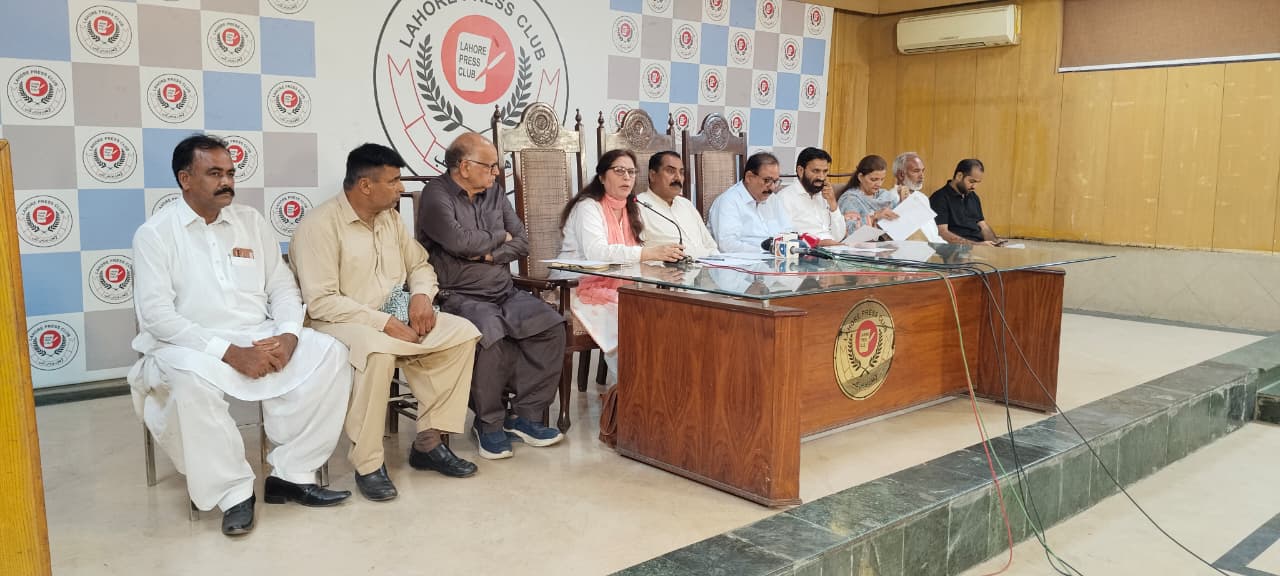
More Than 50 Organizations Demand Immediate Withdrawal of Eviction Notices Served on Punjab's Tenant Farmers
1 July 2026 - Press Club, Lahore - Crofter Foundation and Pakistan Kissan Rabita Committee gathered more than 50 organ...
 Published on Jul 4, 2026
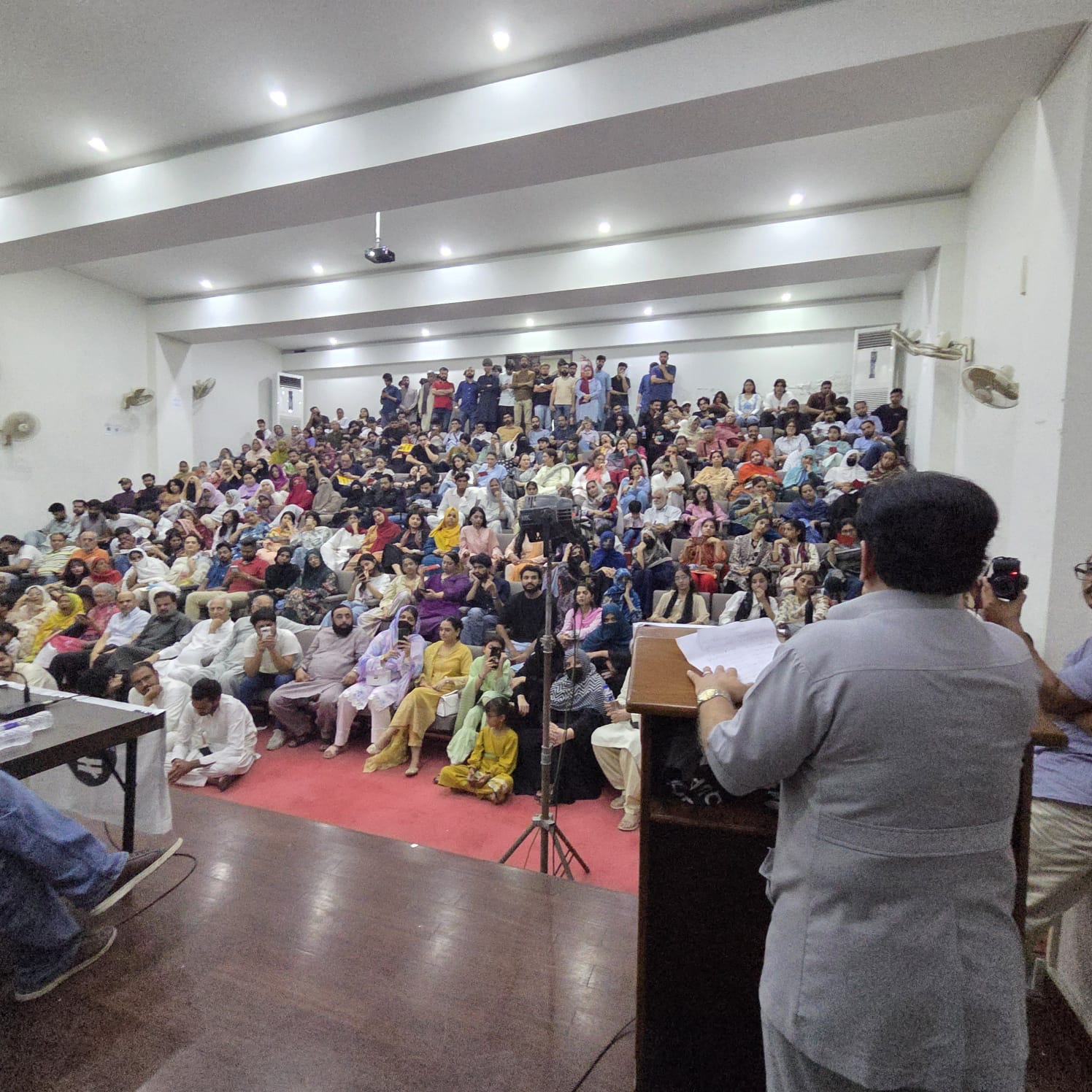
Fight Inequality Festival in Lahore Calls for a New Economy That Puts People Before Profit
Crofter Foundation celebrated “the Fight Inequality Festival,” in collaboration with Fight Inequality Alliance Pakistan,...

PKRC is a network of 26 small peasant organisations in Pakistan. It became a member of La Via Campesina in 2017, the only Pakistani peasant organisation that is a member of this international platform.